

If you’ve come across the word Nahttypen, you’re probably wondering what it really means. The term sounds technical, but the idea is simple.
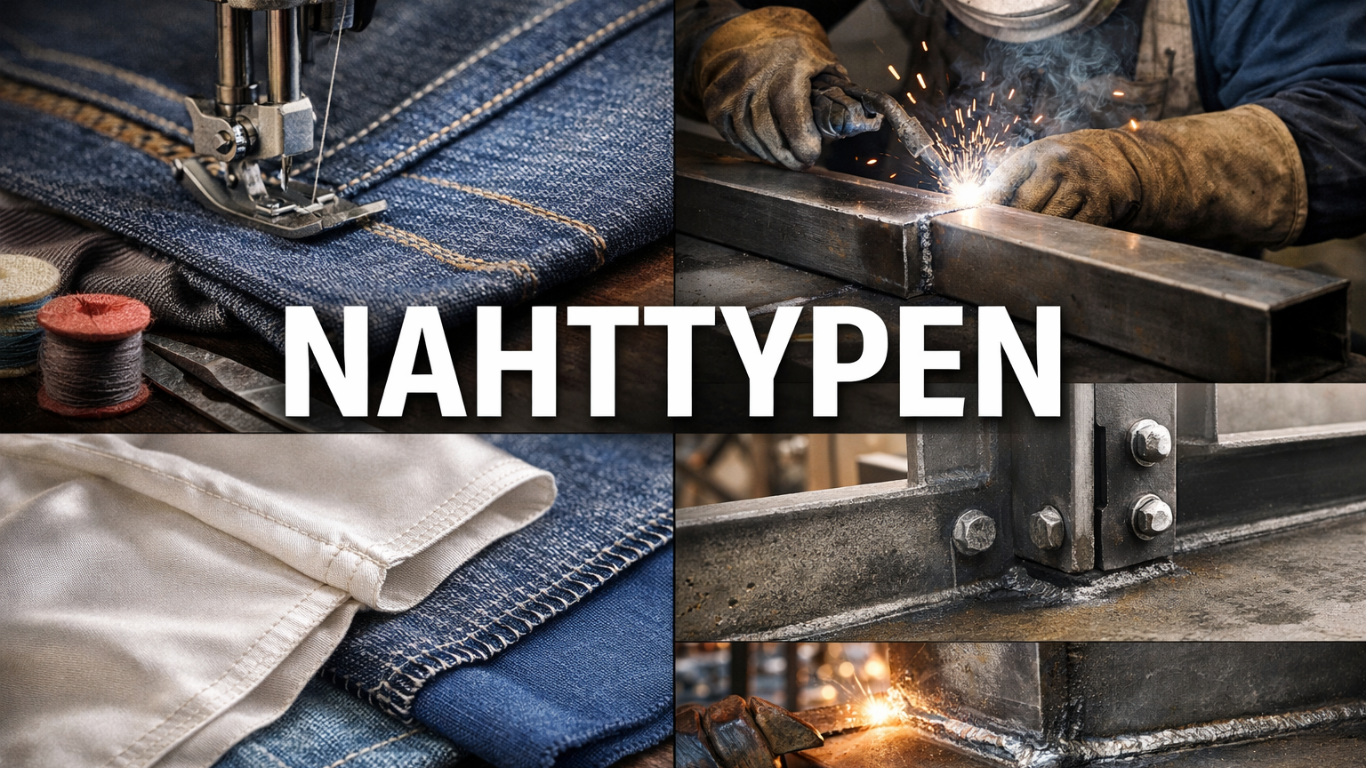
Nahttypen is a German word that translates to “types of seams.” However, depending on the industry, it can refer to seam types in sewing, weld joint types in metalwork, or structural joint types in engineering.
In this comprehensive guide, we’ll explore every major meaning of Nahttypen, explain practical applications, compare seam structures, and help you understand when to use each type.
What Does “Nahttypen” Mean?
Let’s split the word:
-
Naht = seam
-
Typen = types
So together, Nahttypenmeans different types of seams or jointsused to connect materials. But the meaning changes based on the field.
You will hear this term in:
-
Fashion and textile production
-
Industrial sewing
-
Welding and metal fabrication
-
Construction and engineering
-
Mechanical work
Each industry uses different seam structures for different purposes.
Nahttypen in Sewing (Types of Fabric Seams)
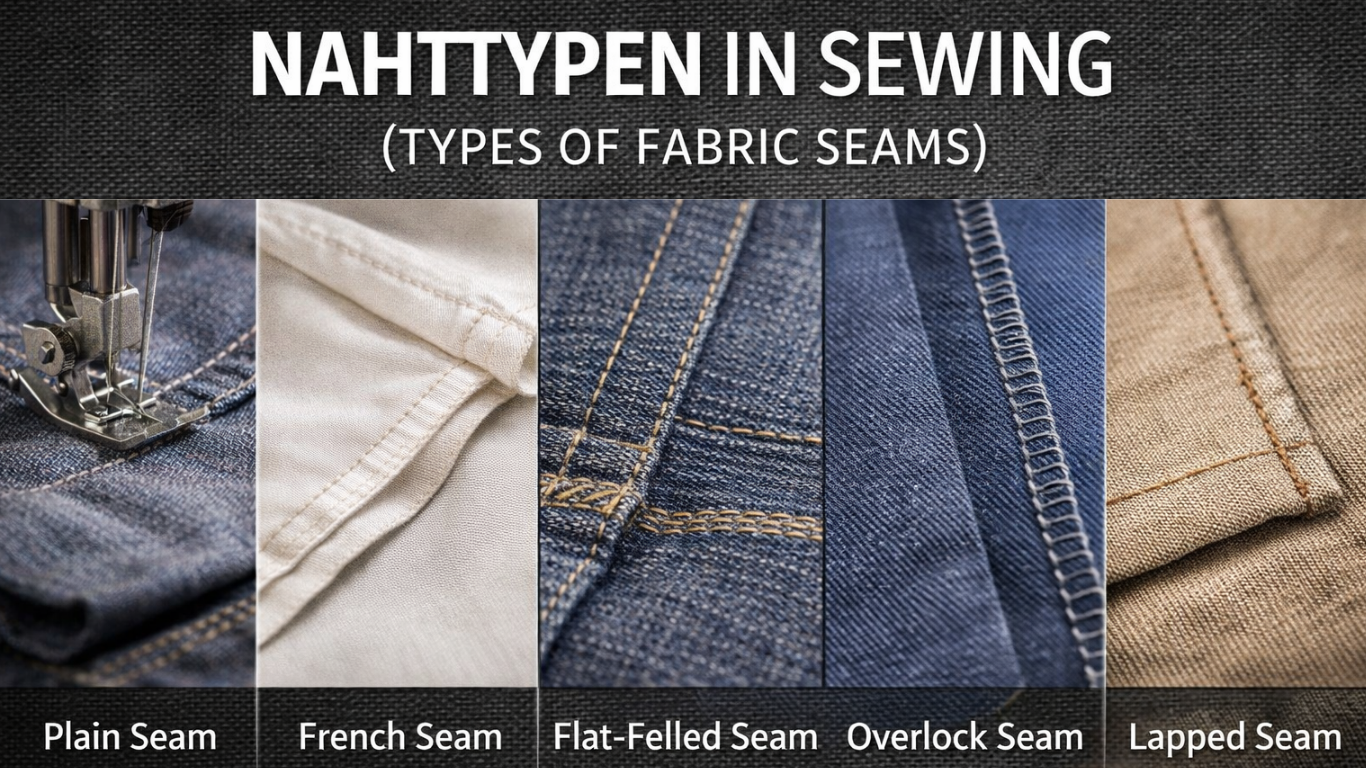
In clothing and textile work, Nahttypen means different ways fabrics are stitched together. The seam type you choose affects strength, look, and comfort.
Let’s look at the common ones.
1. Plain Seam (Basic Seam)
This is the most common seam used in clothing. It is simple and fast to make.
People use it for:
-
T-shirts
-
Dresses
-
Skirts
-
Basic garments
It works well for everyday clothes and woven fabrics.
2. French Seam
A French seam is a cleaner and more professional seam. The raw edges are hidden inside, so it looks neat.
Benefits:
-
No loose fabric edges
-
No fraying
-
Clean inside finish
It is often used for:
-
Blouses
-
Light fabric clothing
-
Luxury garments
3. Flat-Felled Seam
This seam is strong and durable. It has two rows of stitching and lies flat.
You usually see it in:
-
Jeans
-
Workwear
-
Heavy clothing
It is made to last and handle stress.
4. Overlock Seam
This seam is made using a special machine called a serger. Its main job is to stop fabric from fraying.
Advantages:
-
Fast production
-
Clean edge finish
-
Good for stretchy fabrics
It is common in:
-
Sportswear
-
Knit clothing
-
Mass production garments
5. Lapped Seam
In this seam, one piece of fabric overlaps another before stitching.
It is used when:
-
Extra strength is needed
-
A decorative effect is required
Why Nahttypen Matter in Clothing
Choosing the right seam type affects:
-
How long the garment lasts
-
How comfortable it feels
-
How much it stretches
-
Its overall quality
Good designers pick seam types based on fabric and purpose — not randomly.
Nahttypen in Welding (Metal Joint Types)
In welding and metal work, Nahttypen means different ways metal parts are joined together. This is very important for safety and strength.
Let’s see the common types.
1. Butt Joint
Two metal pieces are placed edge to edge and welded together.
It is used in:
-
Pipes
-
Metal plates
-
Structural parts
It gives strong straight connections.
2. Fillet Weld
This weld is placed in the corner between two metal parts. It looks triangular.
It is common in:
-
Steel structures
-
Frames
-
Heavy metal work
3. Lap Joint
One metal piece overlaps another before welding. It is easier to make and often used in:
-
Sheet metal
-
Car body parts
4. T-Joint
One metal part is welded vertically onto another.
It is used in:
-
Machine frames
-
Support structures
-
Load-bearing designs
Why Welding Nahttypen Are Important
If the wrong weld type is used, problems can happen like:
-
Metal cracking
-
Weak structures
-
Heavy stress damage
-
Safety risks
Professionals choose weld types based on:
-
Weight load
-
Metal thickness
-
Use environment
-
Industry safety standards
Nahttypen in Construction & Engineering
In construction, the term can also mean structural joints.
Examples include:
-
Expansion joints
-
Concrete control joints
-
Beam connection joints
-
Structural steel joints
These joints allow buildings to:
-
Expand with heat
-
Handle vibration
-
Move slightly without cracking
Without proper joint design, buildings can develop cracks and damage over time.
How to Choose the Right Nahttypen
The correct seam or joint depends on:
1. Material
Is it fabric or metal?
2. Strength Needs
Does it need to hold weight or just look good?
3. Environment
Will it face heat, water, stress, or movement?
4. Long-Term Use
Is it temporary or permanent?
Thinking about these points helps you select the right seam type.
Simple Comparison Table
| Industry | Purpose | Common Nahttypen |
|---|---|---|
| Sewing | Join fabric | Plain, French, Flat-felled, Overlock |
| Welding | Join metal | Butt, Fillet, Lap, T-joint |
| Construction | Structural stability | Expansion joints, Beam joints |
Why Understanding Nahttypen Is Important
Many online resources only define Nahttypen at a surface level — they explain that it means “types of seams” but rarely go deeper into real-world use and technical impact. A proper understanding includes:
Cross-Industry Meaning
Nahttypen is not limited to fashion. It applies to:
-
Textile manufacturing
-
Industrial welding
-
Mechanical fabrication
-
Construction engineering
Each industry interprets seam or joint types differently based on function and material.
Practical Applications
Knowing the correct seam type or joint configuration directly influences performance.
-
In clothing, it affects stretch, comfort, and durability.
-
In welding, it determines structural strength.
-
In construction, it controls movement and load distribution.
Technical knowledge ensures better design decisions and fewer failures.
Load Impact
Different Nahttypen handle stress differently.
-
Some seams resist pulling forces.
-
Others handle vibration and shifting loads.
-
Certain weld joints support heavy structural weight.
Choosing the wrong type can weaken a system under pressure.
Fabric vs. Metal Differences
Seam behavior changes depending on material:
-
Fabric seams must allow flexibility and movement.
-
Metal joints must withstand heat, pressure, and weight.
The engineering logic behind seam selection differs greatly between textiles and steel fabrication.
Engineering & Safety Relevance
In technical industries, incorrect seam design can lead to:
-
Fabric tearing in garments
-
Weld cracks under stress
-
Structural instability
-
Safety hazards in buildings or machines
That’s why professionals study seam types, joint geometry, and connection methods carefully — not just theory but real application.
Common Questions About Nahttypen
What does Nahttypen mean?
It means different types of seams or joints used to connect materials.
Where is Nahttypen used?
It is used in sewing, welding, construction, and engineering.
Which seam type is strongest in clothing?
Flat-felled seams are strong and commonly used in durable clothing.
Why are weld seam types important?
They decide how strong and safe metal structures will be.
Is Nahttypen only related to fashion?
No. It also applies to metal work and structural connections.
Final Thoughts
Nahttypen may sound technical, but it simply means different types of seams or joints used to connect materials. It plays an important role in clothing, welding, and construction. Choosing the right seam type improves strength, quality, and safety.
In fashion, the correct seam makes garments durable and comfortable. In welding and engineering, the right joint type ensures strong and safe structures that can handle stress and weight.
Understanding Nahttypen helps professionals and beginners make better design decisions. It’s not just theory — it directly affects performance and long-term reliability in real-world projects.
