

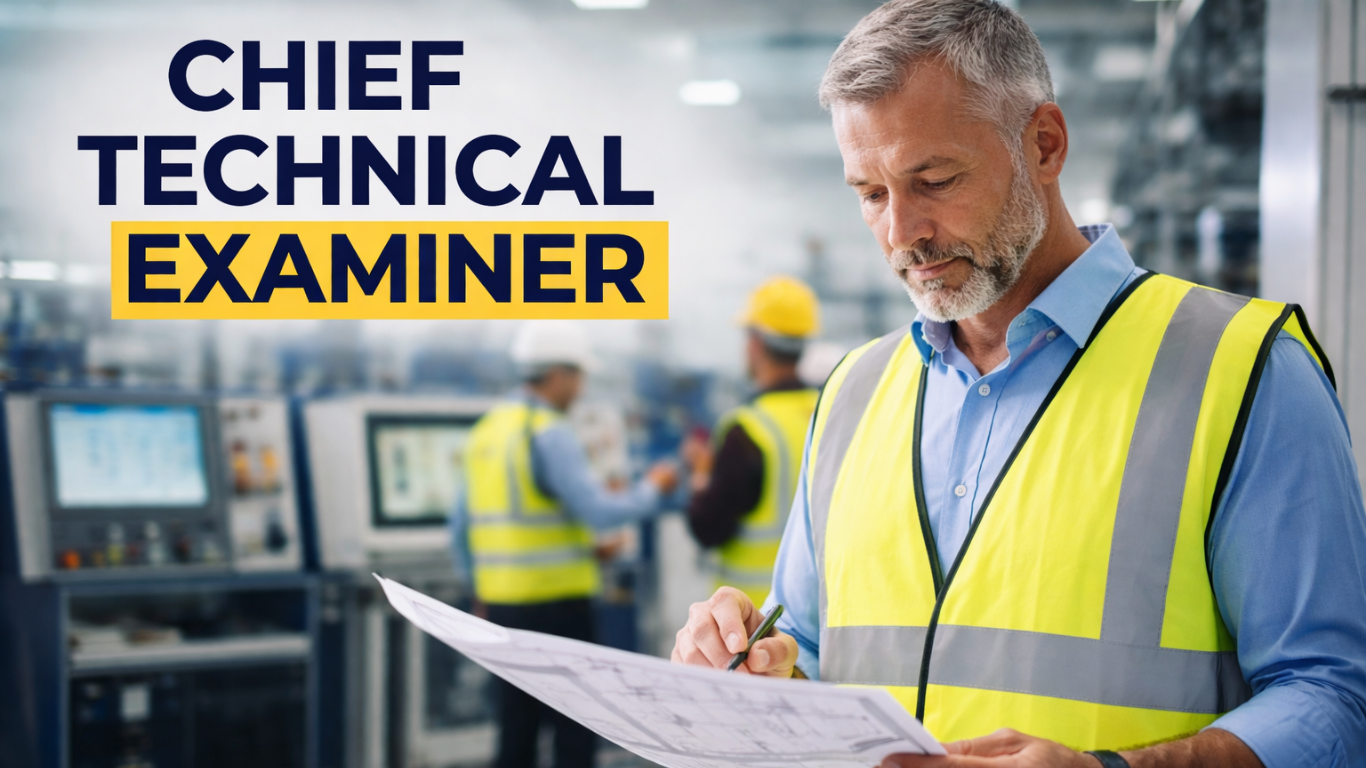
When people hear the title Chief Technical Examiner, it can sound a bit confusing at first. It feels like a very technical or government-style job title. Many people wonder what this role actually means and what someone with this position does every day.
In simple terms, a Chief Technical Examiner is the person who checks and reviews technical work. Their job is to make sure projects, systems, and reports are correct, safe, and follow the right rules. You can think of them as the final technical checker before something gets approved.
Companies and government organizations rely on technical experts to avoid mistakes. A small technical error can lead to big problems later. That is why this role is highly respected across industries.
In this guide, we will explain the Chief Technical Examiner role, their responsibilities, the skills needed for the job, and why this position is important.
What Is a Chief Technical Examiner?
A Chief Technical Examiner is a senior professional who reviews technical work. They study reports, designs, plans, and systems to make sure everything meets the required standards.
For example, imagine a team of engineers designing a new machine or building. Before the project moves forward, someone must check the work carefully. That person is often the Chief Technical Examiner.
Their job is not just to read documents. They also make sure the project follows safety rules, technical standards, and industry guidelines.
Because of this responsibility, the Chief Technical Examiner position usually belongs to someone with many years of technical experience.
What Does a Chief Technical Examiner Do?
The Chief Technical Examiner responsibilities can vary depending on the industry. However, most of the work focuses on reviewing and checking technical information.
Below are some of the main duties.
Reviewing Technical Reports
One big part of the job is reviewing technical documents. Engineers and technical teams often create detailed reports and plans. These documents explain how a system works or how a project will be built.
The Chief Technical Examiner reads these reports carefully. If something looks wrong or unclear, they ask the team to fix it. This process helps maintain accuracy in technical work.
Checking Safety Standards
Safety is very important in technical industries. Machines, buildings, and systems must follow certain rules to keep people safe.
The Chief Technical Examiner role includes checking that these safety standards are followed. If a design does not meet the rules, the project may need to be changed.
This step helps prevent accidents and technical failures.
Leading Technical Teams
In many organizations, this role also includes supervising technical staff. The examiner guides engineers or inspectors, reviews their work, and helps solve challenges.
Strong leadership and clear communication are key for success.
Finding Technical Problems
Another important task is finding potential risks. The examiner studies designs and systems to detect possible weaknesses.
For example, they might notice a machine could fail under heavy use or a building structure needs extra support. Catching issues early saves time and money
Approving Technical Work
After the review is complete, the examiner gives the final approval. If everything meets standards, the project moves forward. If not, adjustments are required.
This makes the examiner an important decision-maker in the technical process.
Skills Needed for a Chief Technical Examiner
To succeed in this role, a person needs several important skills.
Strong Technical Knowledge
First, the Chief Technical Examiner must understand technical systems and processes very well. This knowledge usually comes from years of experience in a specific field.
Attention to Detail
Technical work often includes complex data and designs. A small mistake can cause big problems. That is why attention to detail is one of the most important skills for this job.
Problem-Solving Skills
Sometimes technical projects have unexpected challenges. The examiner must analyze the situation and suggest practical solutions.
Good Communication
A Chief Technical Examiner often works with teams, managers, and engineers. They must clearly explain problems and provide guidance on improvements.
Education and Qualifications
Most Chief Technical Examiner jobs require a strong educational background. Many professionals start with a degree in fields such as:
-
Engineering
-
Technology
-
Computer science
-
Industrial systems
However, education alone is not enough. Employers usually expect many years of practical experience.
Many start as engineers or technical specialists and gradually gain experience reviewing projects and managing complex technical work.
Industries That Need Chief Technical Examiners
The Chief Technical Examiner position is important in industries where accuracy and safety matter the most.
Government Organizations
Government departments often use technical examiners to review public projects and ensure they meet national standards.
Engineering and Construction
Large construction projects require careful technical reviews. A Chief Technical Examiner helps ensure buildings and infrastructure are safe.
Aviation Industry
Aircraft systems and maintenance procedures must be checked carefully. Technical examiners help maintain safety in aviation.
Technology and Research
Technology companies and research institutions also need experts who can review systems and confirm they work correctly.
Career Path to Become a Chief Technical Examiner
Becoming a Chief Technical Examiner usually takes time and experience. A typical career path might look like this:
-
Start as a junior engineer or technical assistant
-
Gain experience in technical analysis or inspection
-
Move into a senior technical role
-
Become a Chief Technical Examiner
People who are careful, knowledgeable, and reliable often succeed in this career.
Why the Chief Technical Examiner Role Is Important
The Chief Technical Examiner ensures all technical work is accurate and safe. Their careful review prevents mistakes that could lead to accidents, financial losses, or project delays. Accuracy is the foundation of successful projects.
They help maintain compliance with safety and industry standards. Without their oversight, projects might ignore regulations, causing legal or operational problems. This role acts as a safeguard for both organizations and the public.
By identifying risks early, the Chief Technical Examiner saves time and money. Spotting issues before they grow prevents costly corrections and ensures projects stay on track, making this role critical for efficiency and reliability.
Their work builds trust and quality. Clients, stakeholders, and the public can rely on projects because every technical detail has been carefully verified to meet high standards.
Final Thoughts
The Chief Technical Examiner is a vital role in any organization that handles complex technical work. They act as the final checkpoint, ensuring that projects, systems, and reports are accurate, safe, and compliant with industry standards.
Beyond reviewing technical details, this role requires leadership, experience, and strong decision-making. A Chief Technical Examiner often guides teams, mentors junior examiners, and ensures that quality and safety are maintained throughout the entire project lifecycle.
Their work prevents costly mistakes and protects both organizations and the public. By identifying potential risks early, they help projects stay on track, saving time, money, and resources while maintaining high technical standards.
For anyone pursuing a career in engineering, technology, or regulatory work, this position offers both challenge and opportunity. It combines expertise, responsibility, and influence, making it a respected and rewarding career path.
Common Questions About Chief Technical Examiner
What is a Chief Technical Examiner?
A Chief Technical Examiner is a senior professional who reviews technical reports, designs, and projects to ensure they are safe, accurate, and meet standards.
What does a Chief Technical Examiner do daily?
They review technical documents, check compliance with safety rules, identify risks, supervise teams, and approve or reject technical work before it moves forward.
What qualifications are needed?
Most need a degree in engineering, technology, or a related field, along with several years of experience in technical evaluation or project review.
Where do Chief Technical Examiners work?
They work in government departments, engineering companies, aviation industries, research organizations, and any place where technical accuracy and safety are critical.
Why is this role important?
The role ensures projects are accurate, safe, and meet regulations, preventing mistakes, accidents, or financial losses for organizations and the public.
