

The internet is full of new words, brand names, and concepts. Some of them trend fast, while others quietly grow in the background. Woolrec is one of those terms that makes people stop and ask: What exactly is this?
This guide explains Woolrec in detail, using simple language and real-world logic. You’ll learn what it means, why it exists, how it works, and why more people are starting to care about it.
What Is Woolrec?
Woolrec is a modern term connected to wool recycling, wool recovery, and sustainable textile reuse. The word itself blends two ideas:
-
Wool – a natural fiber made from animal hair
-
Rec – short for recycle, recovery, or reuse
Together, it represents the practice of giving wool products a second life instead of throwing them away.
Unlike synthetic fabrics, wool is durable, reusable, and biodegradable. Recycled wool practices focus on reducing waste by reusing existing fibers instead of producing new material from scratch.
Why Woolrec Exists
The fashion and textile industry creates millions of tons of waste every year. Many clothes are worn only a few times before they are thrown out. This causes pollution, water waste, and environmental damage.
Woolrec exists to solve this problem.
By reusing wool fibers, it helps lower waste, reduce energy use, and support more responsible production. It aligns perfectly with today’s push toward sustainability and conscious consumer habits.
How Woolrec Works in Real Life
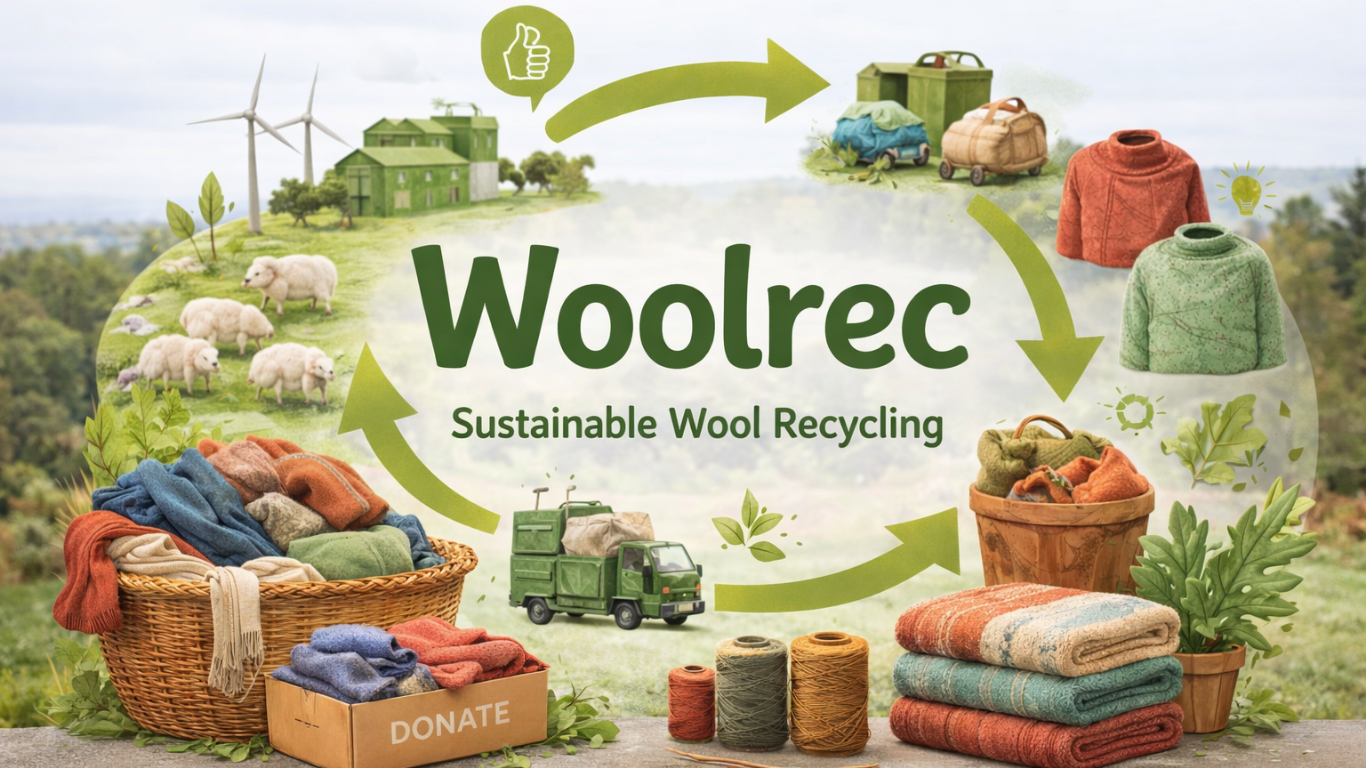
In real life, Woolrecbegins with collecting used wool items like sweaters, coats, and blankets. Instead of throwing them away, these products are saved, sorted, and checked to see if the wool can be reused.
After collection, the wool goes through careful cleaning and processing. Dirt, oils, and damage are removed so the fibers become safe, fresh, and strong enough for reuse in different recycled wool products.
Once processed, the recycled wool is reused to create yarn, insulation, felt, or new clothing. This recycling cycle transforms old wool into useful, eco-friendly items.
Comparison with Traditional Wool Production
| Feature | Traditional Wool | Recycled Wool |
|---|---|---|
| Raw materials | New wool from sheep | Existing fibers |
| Environmental impact | High | Lower |
| Waste reduction | Limited | Significant |
| Sustainability | Moderate | High |
Using recycled fibers reduces dependence on raw wool and lowers energy consumption, making it a smarter, greener option.
Why Woolrec Matters Today
Woolrec is important today because people are more aware of how their choices affect the planet. Consumers want clothing and products that are ethical and eco-friendly.
Governments and industries are encouraging waste reduction. Textile recycling plays a critical role, and responsible wool use supports these efforts. As eco-consciousness grows, wool recycling becomes increasingly relevant in fashion, manufacturing, and environmental sectors.
Benefits of Woolrec
Environmental Benefits
Woolrec reduces textile waste by keeping wool out of landfills. It also saves water and energy by reducing the need for new production. Since wool is biodegradable, recycling it further improves its environmental value.
Economic Benefits
Recycling wool lowers production costs. Brandscan create quality products using recycled materials while supporting local recycling jobs. It encourages circular business models instead of wasteful ones.
Consumer Benefits
For buyers, recycled wool products are often affordable and durable. Consumers can enjoy wool goods while supporting sustainability and responsible practices.
Is Woolrec a Brand or a Concept?
At this stage, it is best described as a concept, not a globally established company. However, some businesses or platforms may use Woolrec as a brand name for services related to wool recycling or sustainable textiles.
This flexibility gives it strong future potential. It can grow into a recognized brand, certification, or industry standard.
Who Uses Woolrec Ideas?
Woolrec-related practices are already used by:
-
Sustainable fashion brands
-
Textile recycling companies
-
Eco-friendly designers
-
Ethical manufacturers
-
Environment-focused organizations
As awareness spreads, more industries are likely to adopt these principles.
Circular Economy Connection
Woolrec fits perfectly into the circular economy, which emphasizes reusing materials instead of discarding them. By recycling wool, it keeps fibers in use longer, reducing the need for new raw materials.
Old wool products are transformed into new items like yarn, felt, or insulation. This process closes the loop, turning waste into valuable resources and minimizing environmental impact.
Supporting these practices helps businesses and consumers contribute to a system where materials stay in circulation, promoting sustainability and responsible resource management in textiles.
Is Woolrec Truly Eco-Friendly?
Yes, Woolrec is truly eco-friendly because it focuses on reusing existing wool instead of producing new materials. This reduces textile waste, saves water, and lowers energy use compared to traditional wool production.
Wool is naturally biodegradable. When recycled properly, it stays in use longer, reduces pollution, and keeps products out of landfills. Supporting recycling and reuse aligns perfectly with sustainable and circular economy principles.
Future of Woolrec
The future of Woolrec looks bright as more people demand sustainable and ethical products. Recycled wool will likely become a key part of responsible fashion and eco‑friendly manufacturing worldwide.
Innovation in wool recycling technology will make processes more efficient, expanding its use across textiles, insulation, and other industries. This growth could lead to new products we don’t even imagine yet.
Over time, it may become a recognized standard, certification, or trusted label for recycled wool products — helping shoppers easily choose sustainable options and driving long‑term environmental impact.
How Consumers Can Support It
Consumers play a key role in promoting Woolrec. One way is by buying recycled wool products, which encourages brands to adopt sustainable practices and expand wool recycling initiatives.
Donating old wool clothing instead of discarding it is another practical step. This keeps wool in circulation and supports the recycling process, reducing textile waste.
Supporting eco-friendly and ethical brands while sharing information about wool reuse raises awareness and helps grow the movement toward circular fashion.
Common Questions About Woolrec
What is Woolrec?
Woolrec means recycling and reusing wool to reduce waste and create eco-friendly products.
Is it a real company?
Not yet — it’s mainly a concept, though some brands may use the name.
Can wool really be recycled?
Yes! Wool can be processed and reused multiple times for clothing or other products.
Why is it important?
It helps reduce textile waste, save resources, and support sustainable fashion.
How can I support it?
Buy recycled wool products, donate old wool clothing, and support eco-conscious brands.
Final Thoughts
Woolrec represents a smarter, more sustainable approach to wool use. By recycling and reusing wool, it reduces waste, conserves resources, and supports eco-friendly practices in fashion and textiles.
While still emerging, the concept has the potential to become widely recognized. Consumers, brands, and industries adopting it can make a meaningful environmental impact.
Supporting wool recycling initiatives through purchases, donations, and awareness helps build a circular economy and makes responsible choices easier for everyone.
