

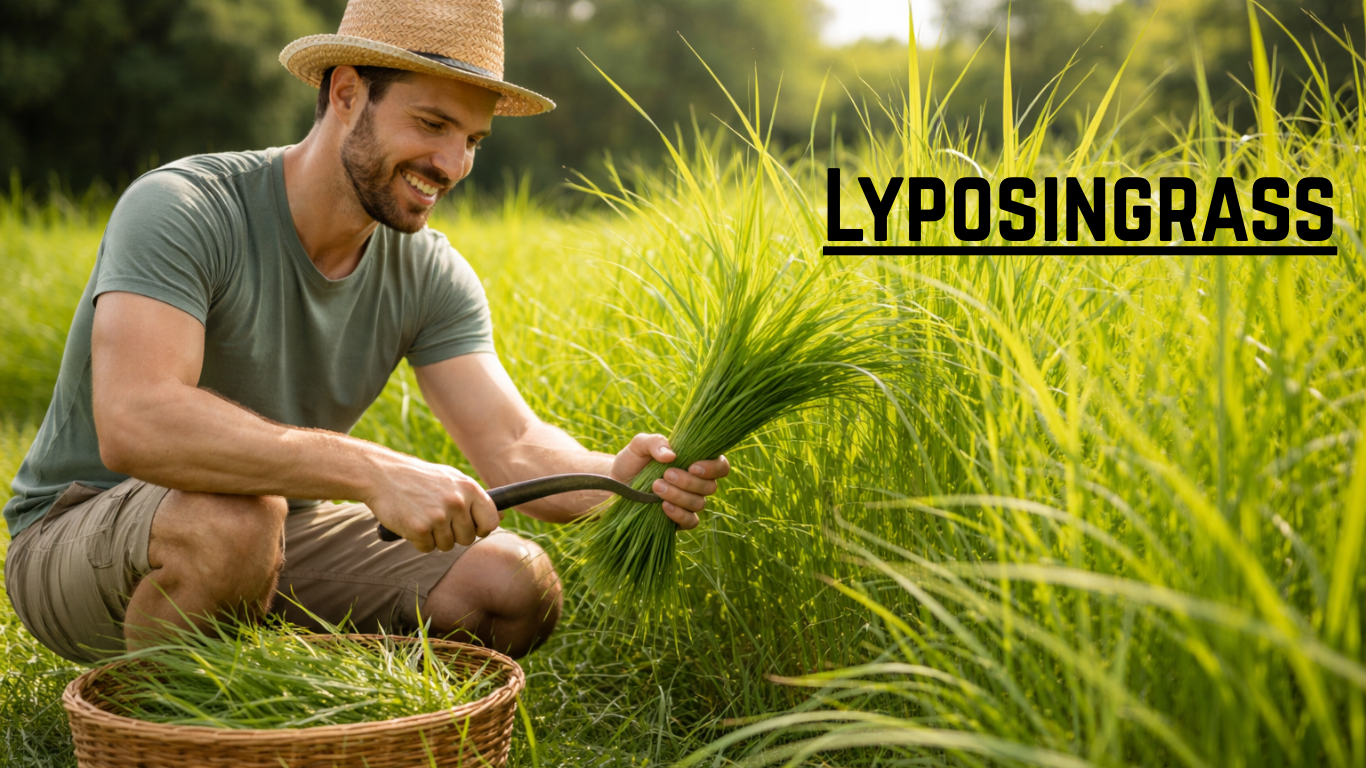
If you’ve come across the word Lyposingrass online and felt a bit confused, you’re not alone. A lot of people search for it thinking it’s a new plant, a health drink, or some kind of green superfood. The truth is, Lyposingrass is one of those names that’s getting popular before most people fully understand what it means.
In simple words, Lyposingrass is a modern term used for grass-based plants or extracts that people link with natural health, digestion, and eco-friendly living.
What Exactly Is Lyposingrass?
Lyposingrass is not currently listed as an official scientific plant name. Instead, it functions as a descriptive or branded concept. The word combines:
-
“Lypo” (commonly associated with fats or metabolism)
-
“Grass” (suggesting plant-based, green nutrition)
In practice, it often refers to nutrient-dense grasses or extracts used in teas, powders, and wellness blends. It’s commonly compared to barley grass, wheatgrass, or lemongrass, though it isn’t identical to any one of them.
Why Is Lyposingrass Getting Popular?
Today, people want simple, natural health options. Many are tired of chemicals and complicated supplements. This grass-based trend fits perfectly with:
-
plant-based living
-
clean eating
-
eco-friendly habits
-
traditional remedies
The name itself sounds natural, which helps it spread fast on blogsand social media.
Health Benefits Linked to Lyposingrass
1. Digestive Support
Fiber from grass-based products may help digestion, promoting smoother bowel movements and gut balance. Users often notice reduced bloating and more comfort after meals.
2. Metabolism Support
Thanks to plant fiber and micronutrients, it may assist the body’s energy use. While not a fat-burning solution, it can support natural metabolism when part of a healthy lifestyle.
3. Antioxidant Protection
Green plants naturally contain antioxidants. These compounds help protect cells from damage and support overall health.
4. Gentle Detox Support
Rather than harsh detox effects, Lyposingrass is usually positioned as a gentle daily cleanser that supports the body’s natural detox pathways.
Important note: These health benefits are based on traditional use and general plant science, not medical claims.
What People Say Lyposingrass Is Good For
Many users talk about Lyposingrass as a gentle daily health support. It’s not seen as a medicine, but more like something that helps the body stay balanced.
Digestion is often mentioned first. Because grass-based plants contain fiber, it can support smoother digestion and reduce bloating.
Some people notice it may help the body use energy more efficiently, supporting metabolism when combined with a healthy diet—not as a quick weight-loss solution.
Another reason it’s popular is antioxidants. Green plants naturally contain them, which is why it’s often considered beneficial for overall wellness.
Tradition Behind the Plant
Yes, even if the name is new, the idea is not.
For hundreds of years, people in different parts of the world have used grass-based plants in teas and natural drinks. These were used to cool the body, support digestion, and stay active in hot climates.
Lyposingrass follows that same old idea, just with a modern name.
Environmental and Sustainability Benefits of Lyposingrass
One of the most valuable strengths of Lyposingrass lies in its positive environmental impact. Beyond wellness use, Lyposingrass aligns well with sustainable and eco-friendly agricultural practices.
Eco-Friendly Growth
Grass-based plants usually:
-
Require less water
-
Grow quickly
-
Regenerate naturally
Soil Protection
The deep root systems of Lyposingrass-type grasses help bind soil together, significantly reducing erosion. This is especially beneficial in dry or degraded regions, where soil stability and land restoration are major concerns.
Climate Impact
Like other green grasses, Lyposingrass contributes to a healthier climate by absorbing carbon dioxide and releasing oxygen. Its growth supports balanced ecosystems and helps improve overall environmental quality.
Because of these combined benefits, Lyposingrass is increasingly viewed as a valuable option not only for personal health applications but also for sustainable agriculture and environmental conservation.
How Do People Use Lyposingrass?
Common forms include:
-
herbal teas
-
green powders mixed with water
-
wellness drinks
-
sometimes in gardening projects
It’s important to check labels, though. Different products may use different grass sources.
Is Lyposingrass Scientifically Proven?
To be honest, Lyposingrass as a name does not have strong scientific studies behind it yet. Most of what people say comes from traditional use and general knowledge about green grasses.
That doesn’t mean it’s useless. It just means it should be seen as a supportive habit, not a miracle solution.
Things to Keep in Mind
If you plan to try products under this name:
-
don’t expect instant results
-
avoid products with unclear ingredients
-
talk to a doctor if you have health conditions
Natural does not always mean risk-free.
Common Questions About Lyposingrass
What is Lyposingrass really used for?
People mainly use Lyposingrass for digestion support, plant-based nutrition, and sustainable living purposes.
Is it a real plant or just a trend?
It is not a scientific plant name, but a modern term based on grass-derived plants.
Does it help with weight loss?
It may support metabolism naturally but is not a quick weight-loss solution.
How is it consumed?
Most people take it as tea, powder, or in wellness drink mixes.
Is it safe for daily use?
Generally yes, when sourced properly. Anyone with medical conditions should check with a doctor first.
Final Thoughts
Lyposingrass is best understood as a modern wellness term built around real, grass-based plants and long-standing traditional use. It reflects a move toward natural nutrition, sustainable living, and gentle support for overall health.
For anyone interested in plant-based lifestyles or eco-friendly choices, it can be a helpful addition to daily habits. However, it’s not a miracle solution or quick fix—its benefits work best as part of a balanced routine.
As awareness grows, more clarity and research may emerge. In the meantime, the best approach is to stay informed, choose products carefully, and use it as a supportive part of a healthy lifestyle—not a substitute for medical advice.
