

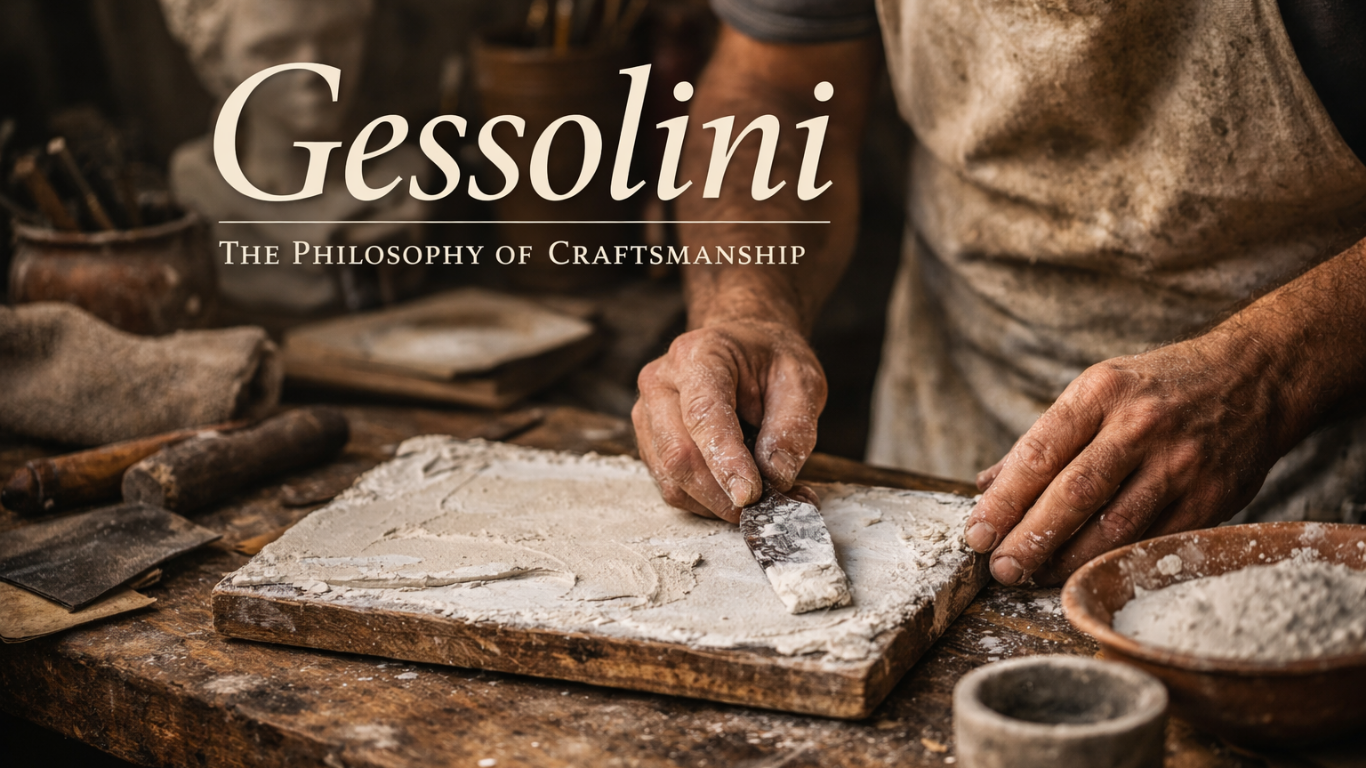
In a world full of fast production, disposable products, and machines doing everything, Gessolini is different. It’s about care, patience, and doing things properly. While you won’t find it in dictionaries yet, it’s gaining attention in design, craft, and creative circles. People are looking for quality, not just quick fixes or flashy looks.
This article will explain what Gessolini means, where it comes from, why it’s important today, and how it’s being used in modern craft, art, and design. No hype—just clear understanding.
What Is Gessolini?
Gessolini is best understood as a conceptual term rather than a fixed object or material. It is an invented or emerging word used to describe a craft-first philosophy focused on:
-
Material understanding
-
Process discipline
-
Long-term durability
-
Human decision-making in production
Instead of describing how something looks, Gessolinidescribes how something is made. Many makers use it to show that they take quality seriously, avoiding shortcuts and respecting the behavior of materials over time.
Where the Word Comes From
Gessolini has an Italian feel, and that’s not by accident. It sounds like old Italian artisan names that were tied to trades and materials. Its root comes from “gesso”, a chalk-based plaster used in:
-
Sculpture
-
Fresco painting
-
Architectural details
-
Preparing surfaces for art
Back then, family names reflected skill. People were known for what they made. The modern use of this term carries that same sense of honest, skilled craftsmanship.
Gessolini as a Craftsmanship Philosophy
Today, most things are made fast and cheap. Gessoliniis different. It’s a philosophy of making things properly, with skill and care.
Material Fluency
Skilled makers read materials visually and by touch. They predict issues, adjust techniques, and work with the natural behavior of the surface.
Process Integrity
Every step matters. From preparation to finishing, skipping or rushing steps can ruin the result. Following the proper sequence ensures durability and reliability.
Repeatable Excellence
Craft isn’t just about one good piece—it’s about making many that are consistently excellent while keeping a human touch.
Longevity Over Looks
Imperfections are intentional—they show skill and care. The goal is durability, repairability, and resilience, not just a handcrafted look.
Material Intelligence and Gessolini
A defining idea behind Gessolini is material intelligence. Material intelligence means understanding materials deeply, not just using them. Experienced makers can:
-
Predict cracking before it happens
-
Adjust technique based on humidity and temperature
-
Read texture visually and tactically
-
Adapt methods instinctively
This is why Gessolini-style work lasts and improves with age, while poorly made things fall apart quickly.
Gessolini vs Mass Production
Mass production focuses on speed. Gessolini focuses on longevity. Hand-driven work may have tiny variations that machines remove—but those small differences:
-
Make structures stronger
-
Give textures that feel alive
-
Create visual depth
-
Allow repairs instead of replacement
It’s not nostalgia. It’s smart, high-performance making. Responsible use of materialsand sustainable crafting techniques is part of the same mindset.
Where Gessolini Appears Today
Even though it’s not a formal term, Gessolini inspires creators across fields:
Architecture and Surface Finishes
Designers apply it to textured walls, plaster, and surfaces meant to age gracefully. The goal is breathable, repairable, and lasting finishes, not short-lived perfection.
Furniture and Objects
Craftspeople focus on strong joints, balance, and honesty in materials. Pieces last decades, are repairable, and maintain their integrity. Every detail is intentional.
Art and Mixed Media
Artists inspired by gesso use layering, sanding, rebuilding, and restraint. The process matters more than instant visual appeal. The result is art that grows in depth and quality over time.
Overall, it acts as a counterweight to disposable culture, showing that careful, thoughtful work outlasts trends and mass production.
Why People Search for Gessolini
Users search for Gessolini because it feels meaningful but unclear. Curiosity drives discovery. People want to know:
-
Is it real?
-
Is it a material or a concept?
-
Why is it associated with craftsmanship?
-
How can it be applied?
Clear explanations build trust. Overclaiming destroys it.
The Future of Gessolini
The future of Gessolini is exciting because it connects traditional skills with modern needs. As sustainability, repairability, and quality gain importance, it offers a way to make work that truly lasts.
Innovation can help, too. Designers may use eco-friendly materials or digital tools without losing the human touch that defines good craftsmanship. Online communities and educational platforms can spread these principles, guiding new makers.
The key is not reinvention, but applying old knowledge carefully and responsibly. When tradition meets precision and sustainability, it becomes a benchmark for lasting quality in design, craft, and art.
Common Questions About Gessolini
What is Gessolini?
A philosophy of craftsmanship that values material knowledge, process, durability, and human skill.
Is it a material or concept?
It’s a concept, not a material. It describes a way of making things carefully, rather than a specific product or style.
Where is it applied?
It inspires architecture, furniture, art, and design—any field where quality, longevity, and human skill matter.
Why does it matter?
It emphasizes durability, repairability, and intentional creation, acting as a counterweight to disposable, mass-produced products.
Can it work with technology?
Yes. Technology can assist, but the philosophy relies on human decision-making and skilled execution to ensure quality.
Final Thoughts
Gessoliniisn’t just a concept—it’s a mindset. It reminds us that making things well takes patience, skill, and attention to detail. In a world where speed and trends often outweigh quality, it brings focus back to what really matters: durability, care, and human judgment.
Whether you’re a designer, artist, maker, or simply someone who appreciates well-crafted objects, embracing these principles can change how you create and perceive work. It’s a call to value process over shortcuts, substance over style, and longevity over disposability.
Ultimately, Gessolini proves one simple truth: good craftsmanship never goes out of style—it endures, inspires, and earns trust.
