

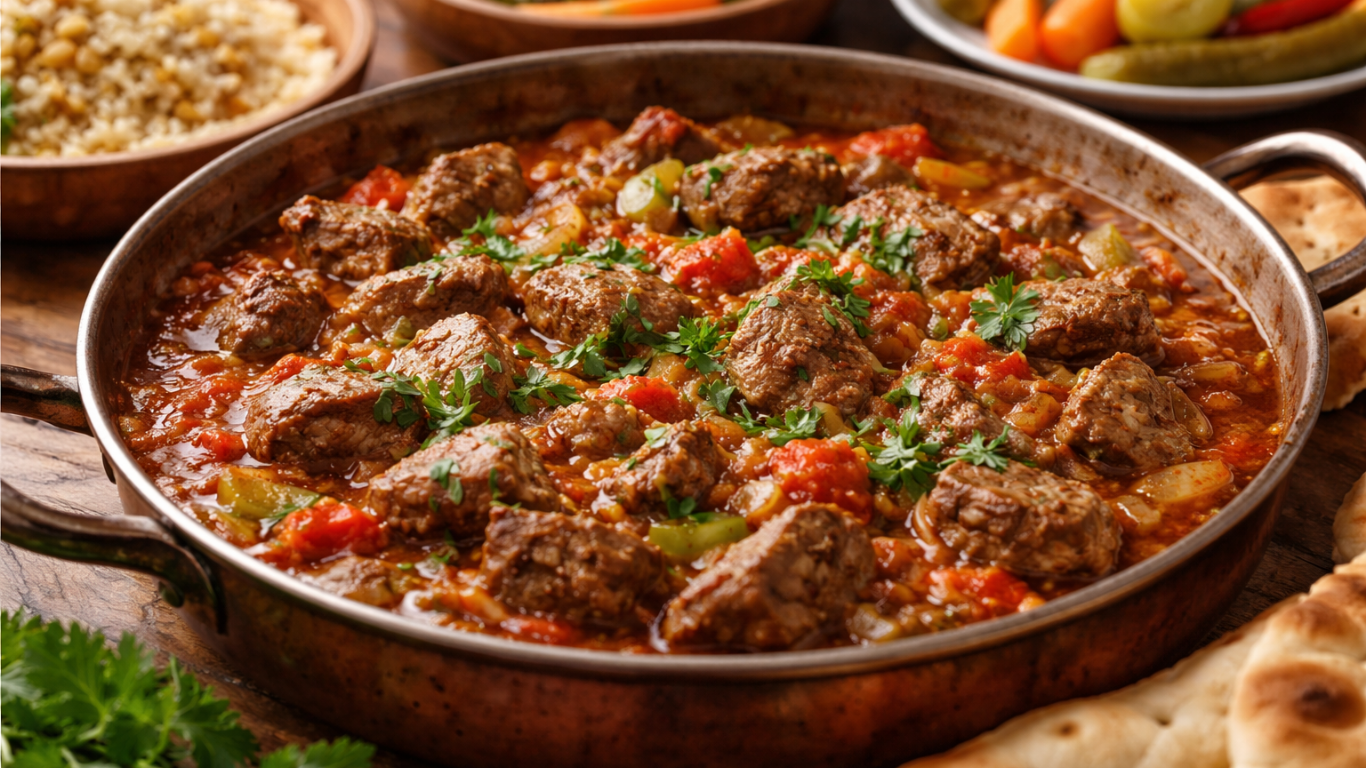
Cevurı is more than just a meal—it’s a glimpse into Turkey’s deep food traditions. It’s all about patience, using good ingredients, and sharing food with family and friends. Known for its soft, slow-cooked lamb or beef, warm spices, and rich taste, Cevurı shows the heart of Turkish meat dishes.
Even though the name “Cevurı” is sometimes used differently in different regions, the idea behind it is the same everywhere: slow-cooked meat mixed with spices, vegetables, and care. Families across Turkey have similar dishes, each with its own twist, but the main idea stays the same: soft meat that is full of flavor and tradition.
What Is Cevurı?
Cevurı refers to a traditional-style Turkish meat dish, typically prepared with lamb, beef, or a mix of both, cooked slowly until tender. The dish emphasizes natural meat flavor, enhanced by onions, garlic, tomatoes, and warming spices.
Rather than being a rigid, restaurant-defined recipe, cevurı is best understood as a culinary concept—a style of cooking passed down through families and adapted over time.
Origins and Historical Background of Cevurı
Turkish cuisine has evolved for centuries, shaped by nomadic Turkic tribes, Ottoman palace cooking, and regional agricultural traditions. Meat dishes like this originated to:
-
Preserve meat
-
Feed large families
-
Develop deep flavors with minimal ingredients
Slow cooking over low heat allowed tough cuts of meat to become tender while absorbing spices and aromatics. This method remains central to cevurı-style cooking today.
In rural Anatolia, dishes resembling cevurı were commonly prepared during:
-
Harvest celebrations
-
Religious holidays
-
Weddings
-
Winter gatherings
Why Cevurı Is Considered a Comfort Food
In Turkish culture, comfort food is all about warmth, generosity, and familiarity. This slow-cooked meat dish ticks all the boxes:
-
Long cooking times fill homes with aroma
-
Shared plates encourage conversation
-
Bread is used to scoop, not cut
-
Meals stretch for hours
This emotional connection gives the recipe cultural weight beyond its taste alone.
Ingredients That Define Authentic Cevurı
The character of this authentic dish comes from restraint and balance, not from long ingredient lists. Traditional Turkish cooking values quality meat, slow heat, and subtle seasoning, and it follows the same principle. Every ingredient has a clear role and nothing is added without purpose.
Lamb or Beef (The Core Ingredient)
At the heart of Cevurı is well-chosen meat. Lamb is considered the most traditional, especially cuts that benefit from long cooking. Beef is equally respected when lamb is not available, and some families use a mix of both.
Best cuts include:
-
Lamb shoulder, leg, or neck
-
Beef chuck or brisket
These cuts break down slowly, creating the deep, rich texture that defines this dish.
Onions (Natural Sweetness and Depth)
Onions form the flavor base of the dish. They are cooked gently until soft, allowing their natural sweetness to emerge without browning too heavily.
Used correctly, onions support the meat rather than overpower it, which is essential for maintaining Cevurı’s balanced taste.
Garlic (Subtle Aromatic Support)
Garlic is used sparingly in authentic Cevurı. Its purpose is to add warmth and aroma, not sharpness.
Typically:
-
Finely chopped or lightly crushed
-
Added early so it mellows during cooking
This keeps the flavor rounded and smooth.
Tomato Base (Structure and Balance)
Most traditional preparations include a tomato element to balance richness.
Common choices:
-
Tomato paste (salça) for body
-
Fresh tomatoes for light acidity
This combination helps form the sauce naturally as the meat simmers.
Traditional Spices (Warm, Not Overpowering)
Spices in Cevurı are minimal and carefully measured. The goal is enhancement, not intensity.
Core seasonings:
-
Cumin
-
Black pepper
-
Paprika
-
Salt
Optional regional additions:
-
Bay leaf
-
Thyme
-
Mild chili flakes
Heavy spice blends are avoided to preserve the meat’s natural flavor.
Cooking Fat (Flavor Carrier)
Fat helps bind flavors and create a cohesive texture.
Traditionally used fats include:
-
Olive oil (especially in western regions)
-
Rendered lamb fat for a deeper taste
Only enough is used to support the dish, never to dominate it.
Water or Light Broth (Controlled Simmering)
Instead of heavy stock, Cevurı relies on a small amount of liquid.
-
Water or very light broth
-
Added just to support slow cooking
As the dish simmers, the liquid reduces and turns into a concentrated sauce.
Ingredients Traditionally Avoided
To keep Cevurı authentic, certain ingredients are not used:
-
Cream or butter
-
Sugar or sweeteners
-
Commercial sauces
-
Strong spice mixes
These would mask the dish’s true identity.
Step-by-Step Traditional Cooking Method for Cevurı
Cooking Cevurı is all about patience, slow heat, and layering flavors. This traditional method brings out the rich, tender textures that define the dish. Follow these steps for an authentic result.
1. Prepare the Meat
Start by selecting high-quality lamb or beef. Cut the meat into medium-sized chunks, removing excess fat but keeping some for flavor. Properly prepared meat ensures this dish will be tender after slow cooking.
2. Sauté the Aromatics
In a heavy-bottomed pot or pan, heat olive oil or rendered fat. Add chopped onions and cook gently until soft and translucent. This forms the aromatic base of the dish.
Next, add garlic and stir briefly—enough to release aroma but not burn.
3. Brown the Meat
Add the meat pieces to the pot. Cook on medium heat until all sides are lightly browned. This step seals in juices and creates a deeper flavor for the slow-cooked Cevurı.
4. Add Spices and Tomato Base
Once the meat is browned, stir in tomato paste or chopped tomatoes along with spices like cumin, paprika, and black pepper. Allow the mixture to cook for 3–5 minutes, letting the flavors blend naturally.
5. Add Liquid for Simmering
Pour in enough water or light broth to barely cover the meat. The goal is slow simmering, not soup. Cover the pot with a lid and reduce heat to low.
6. Slow Cook Until Tender
Allow the dish to cook gently for 1.5–2 hours, stirring occasionally. The meat should become fork-tender, and the liquid should reduce into a rich, flavorful sauce. This step is what transforms ordinary meat into authentic Cevurı.
7. Rest Before Serving
Once cooked, let Cevurı rest for 10–15 minutes. This allows flavors to fully meld and the sauce to thicken slightly. Serve warm with rice, bulgur, or fresh bread to soak up every drop of the sauce.
Regional Variations of Cevurı Across Turkey
Cevurı is a dish that adapts beautifully to Turkey’s diverse regions. While the core of slow-cooked lamb or beef with spices remains consistent, local ingredients and culinary traditions create distinct variations.
Eastern Anatolia
In Eastern Anatolia, Cevurı is prepared with robust spices and generous portions of lamb. Families often incorporate sumac, fenugreek, or mild chili flakes to intensify flavor.
The dish is usually served with flatbread to soak up the rich, hearty sauce. This version is particularly popular during cold winters for its warming effect.
Central Anatolia
Central Anatolian preparations focus on simplicity and meat quality. Here, the emphasis is on letting the natural flavors of lamb or beef shine.
The dish is often cooked with just onions, garlic, and a light tomato base. Minimal spices are used, making it earthy, comforting, and perfect for family meals.
Aegean Region
Along the Aegean coast, olive oil and fresh herbs like dill or mint play a central role. This lighter variation of Cevurı is paired with seasonal vegetables, creating a fresher, brighter flavor profile.
This version highlights Turkey’s Mediterranean influence, balancing richness with herbal notes.
Mediterranean Coast
In the Mediterranean region, chefs sometimes add citrus zest or bell peppers to Cevurı, giving it a subtle brightness that complements the slow-cooked meat.
This coastal take is lighter yet still rich, often enjoyed with fresh bread or pilaf as part of communal meals.
Istanbul and Urban Variations
In urban centers like Istanbul, Cevurı varies depending on family recipes and personal preference. Some versions use blends of lamb and beef, while others experiment with spices, tomatoes, or even yogurt-based marinades.
Despite variations, the dish retains its essence: tender meat, aromatic spices, and slow-cooked richness.
Cultural Importance of Cevurı in Turkish Life
In Turkey, offering a meat dish like cevurı symbolizes:
-
Respect
-
Hospitality
-
Care
It is often prepared when guests arrive, especially elders. The act of cooking slowly is seen as a sign of value and effort, reinforcing social bonds.
Nutritional and Health Benefits of Cevurı
Cevurı is not only delicious but also nutrient-rich, making it a hearty and wholesome choice for meals. Its primary ingredients—lamb or beef—provide essential protein and minerals that support overall health.
High-Quality Protein
The meat in Cevurı is an excellent source of complete protein, which is crucial for:
-
Muscle growth and repair
-
Supporting immune function
-
Providing sustained energy
This makes this dish ideal for active individuals or anyone looking to maintain a balanced diet.
Vitamins and Minerals
Lamb and beef in this dish supply essential micronutrients, including:
-
Iron – for healthy red blood cells and preventing fatigue
-
Zinc – supports immunity and wound healing
-
B vitamins (B12, B6, niacin) – aid in energy production and metabolism
Combined, these nutrients make Cevurı more than comfort food—it’s nutritionally beneficial.
Spices and Aromatics
The traditional spices in this dish, like cumin, black pepper, and paprika, contribute mild antioxidant and anti-inflammatory properties. Garlic, another key ingredient, is known for promoting heart health and digestion.
Balanced with Vegetables
When served with onions, tomatoes, and bell peppers, Cevurı gains:
-
Fiber to support digestive health
-
Vitamins A and C for immunity and vision
-
Natural antioxidants that help reduce inflammation
This combination ensures that Cevurı is both flavorful and nourishing.
How to Serve Cevurı Properly
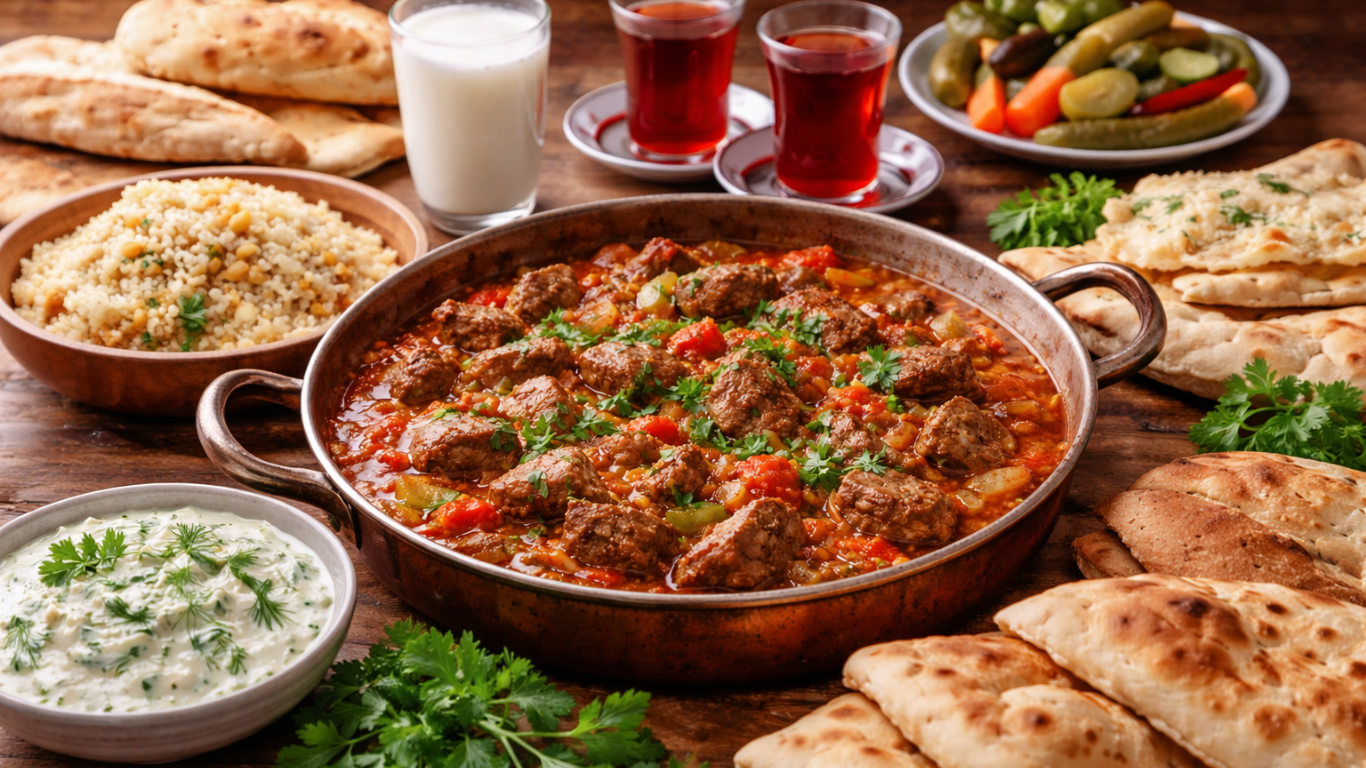
Serving Cevurı is about more than plating—it’s about creating a communal, warm, and generous experience that reflects Turkish hospitality. The dish is traditionally shared at the center of the table, inviting conversation, laughter, and connection.
Best Side Dishes
Pairing Cevurı with complementary sides enhances both flavor and texture. Traditional accompaniments include:
-
Pilaf or bulgur – absorbs rich meat juices and balances the dish
-
Cucumber-yogurt salad – adds freshness and cools the palate
-
Pickled vegetables – provides a tangy contrast to the savory meat
These sides make the meal balanced, colorful, and authentic.
Bread Options
Bread is an essential part of Cevurı service. It is used to soak up every drop of sauce, reinforcing the communal style of eating:
-
Pide – soft and slightly chewy
-
Lavash – thin, flexible, perfect for scooping
-
Village bread – rustic and hearty
Serving this dish with bread ensures that every bite is flavorful and satisfying.
Drinks
Traditional and modern beverages pair beautifully with Cevurı:
-
Ayran – a refreshing yogurt drink that cuts through richness
-
Turkish tea – warms and complements the meal naturally
-
Light red wine – a modern twist, enhancing the meat’s depth without overpowering
Choosing the right drink completes the dining experience and makes Cevurı feel special.
Why Cevurı Is Worth Trying
Cevurı offers a unique glimpse into the heart of Turkish cuisine, combining tender, slow-cooked lamb or beef with aromatic spices and fresh vegetables. Every bite reflects centuries of tradition, patience in preparation, and a focus on high-quality ingredients, making it both delicious and comforting.
Beyond flavor, Cevurı is a cultural experience. Serving it at a table encourages sharing, warmth, and togetherness, whether during family gatherings, festive occasions, or casual meals. Its adaptability across regions also allows food lovers to explore different tastes and textures in every version.
For adventurous food enthusiasts or anyone seeking authentic home-style Turkish dishes, Cevurı is more than just a meal—it is a culinary journey that connects tradition, nutrition, and community in one unforgettable experience.
Common Questions About Cevurı
What is Cevurı?
Cevurı is a traditional Turkish meat dish, usually made with lamb or beef, slow-cooked with spices and vegetables until tender.
How do you cook Cevurı?
This dish is cooked slowly in a pot with onions, garlic, tomatoes, and mild spices. Low heat and patience make the meat soft and flavorful.
Can I use beef instead of lamb?
Yes! Beef works well, and some families mix lamb and beef. The slow-cooking method is the key to tenderness.
What should I serve with Cevurı?
Traditional sides include pilaf or bulgur, cucumber-yogurt salad, pickled vegetables, and bread like pide or lavash.
Is it healthy?
Yes! It’s rich in protein, vitamins, and minerals, and the vegetables and spices add fiber and antioxidants.
Does Cevurı taste different in regions of Turkey?
Yes. Eastern Anatolia uses more spices, the Aegean region adds herbs, and coastal areas may include citrus or vegetables for lighter flavors.
Final Thoughts
Cevurı is more than a traditional Turkish meat dish—it is a celebration of flavor, culture, and community. From tender, slow-cooked lamb or beef to carefully balanced spices and fresh accompaniments, every element reflects generations of culinary knowledge and home-style cooking.
Enjoying Cevurı is not just about taste; it is about connection. The communal style of serving, paired with bread, sides, and drinks like ayran or Turkish tea, transforms a simple meal into a shared experience full of warmth and hospitality.
For food lovers seeking authentic, hearty, and culturally rich dishes, this dish offers a memorable journey into Turkish cuisine, bridging tradition with modern palates. Its versatility, regional variations, and nutritional benefits make it a dish worth trying again and again.
