

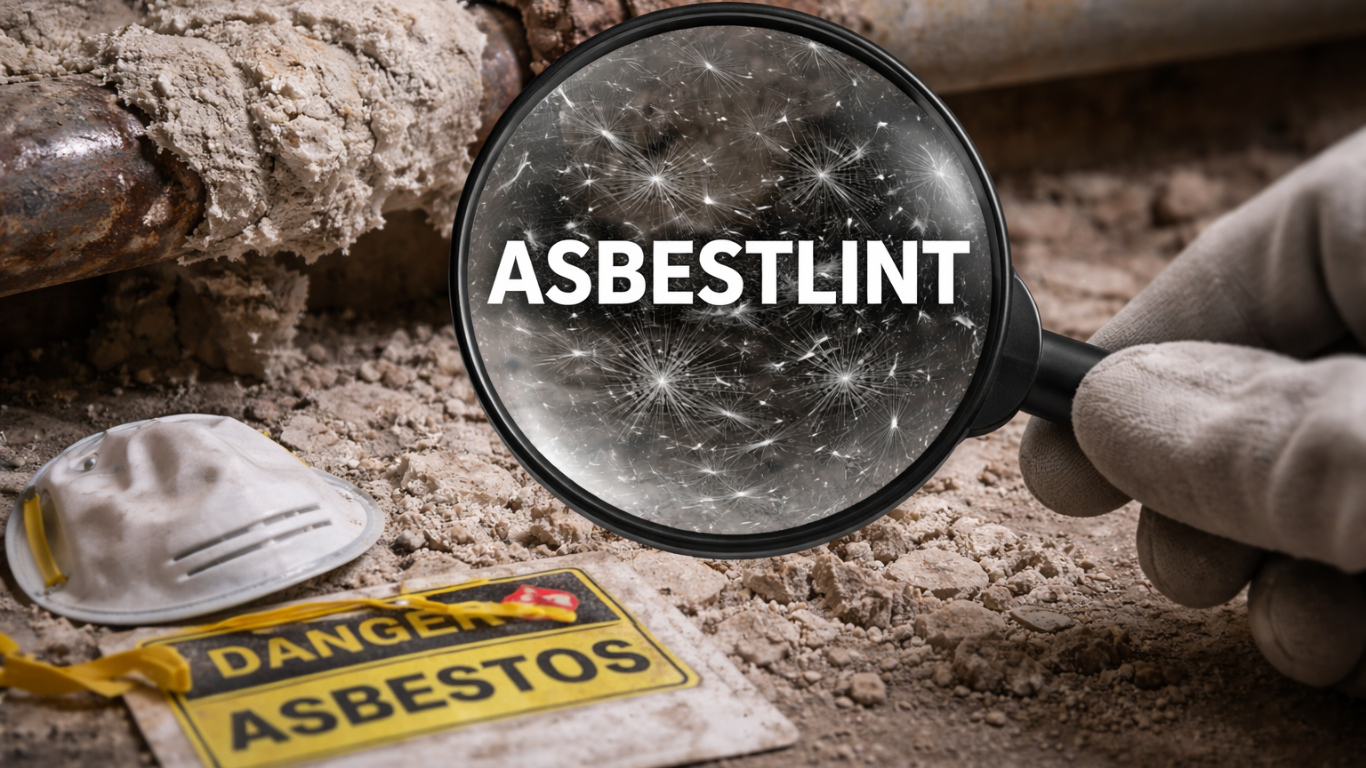
Most people never hear the word asbestlint until they face a problem at home or work. It often comes up during renovations, building inspections, or health discussions. At first, the word sounds strange and harmless. In reality, asbestlint can be very dangerous.
Asbestlint is linked to asbestos, a material once used in many buildings. Even though asbestos is banned in many countries today, it still exists in older homes, offices, and factories. This article explains what asbestlint is, where it comes from, how it affects health, and what you can do to protect yourself—in clear, easy English.
What Is Asbestlint?
Asbestlint means very fine asbestos dust or tiny fibers that come from asbestos materials. These fibers appear when asbestos products get old, damaged, or are disturbed during work like drilling, cutting, or demolition.
You cannot usually see asbestlint with your eyes. The fibers are extremely small and light. Once they are in the air, they can float around for a long time. Because of this, people can breathe them in without knowing.
Asbestlint is not a product by itself. It is a result of asbestos breaking down. Some people also call it asbestos dust or loose asbestos fibers.
Why Asbestlint Is So Dangerous
The main danger of asbestlint is breathing it in. When these tiny fibers enter the lungs, the body cannot remove them easily. They stay inside for many years.
Over time, the fibers can:
-
Damage lung tissue
-
Cause scarring in the lungs
-
Lead to serious diseases
The scary part is this: there is no safe amount of asbestos exposure. Even small amounts can be harmful, especially if exposure happens more than once.
Where Does Asbestlint Come From?
Asbestlint mostly comes from old asbestos materials. These materials were common in buildings made before asbestos was banned.
You may find asbestos fibers coming from:
-
Old pipe insulation
-
Roofing sheets
-
Floor tiles and glue
-
Ceiling coatings
-
Fireproof materials
-
Old electrical panels
The risk increases during renovation or demolition. When old materials are broken, asbestos dust is released into the air.
How Asbestlint Enters the Body
The most common way asbestlint enters the body is through breathing. When asbestos dust is in the air, it goes straight into the lungs.
In rare cases, fibers can also enter the body if dust lands on food or hands and is swallowed. But breathing in the fibers is the biggest danger.
Once inside the body, asbestos fibers can stay there for decades. They slowly cause damage without showing early signs.
Early Symptoms of Asbestlint Exposure
One reason asbestos is so dangerous is that symptoms appear very slowly. Many people feel fine for years after exposure.
Early signs may include:
-
A long-lasting cough
-
Shortness of breath
-
Chest tightness
-
Feeling tired more often
-
Frequent chest infections
These symptoms often feel like normal breathing problems, so people ignore them.
Serious Health Problems Linked to Asbestlint
Breathing in asbestlint can be very harmful. Because the fibers are tiny and stay in your lungs for years, they can slowly damage your body. Many health problems don’t show up until decades after exposure, which is why this dust is so dangerous.
Here are the main health problems linked to asbestlint:
1. Asbestosis
Asbestosis is a lung disease caused by scar tissue forming in your lungs. This makes it hard to breathe and can get worse over time. People with asbestosis often feel short of breath, have a persistent cough, and tire easily.
2. Lung Cancer
Breathing in asbestos fibers increases the risk of lung cancer. The risk is even higher if someone smokes. Lung cancer linked to asbestos may take many years to appear and can be very serious.
3. Mesothelioma
Mesothelioma is a rare but deadly cancer that affects the lining of the lungs, chest, or abdomen. Almost all cases are caused by asbestos exposure. Symptoms may include chest pain, coughing, shortness of breath, and unexplained weight loss.
4. Other Respiratory Issues
Even if serious diseases don’t develop, long-term exposure to asbestlint can cause:
-
Chronic coughing
-
Wheezing
-
Repeated lung infections
-
Reduced lung function over time
Who Is Most at Risk from Asbestlint?
Not everyone has the same chance of being exposed to asbestlint. Some people face higher risks because of where they live, work, or what they do.
Construction and Renovation Workers
Workers who renovate, demolish, or repair older buildings often disturb asbestos-containing materials. This releases airborne asbestos fibers, putting them at high risk.
Plumbers, Electricians, and Maintenance Staff
People who work on pipes, boilers, electrical panels, or HVAC systems in older buildings may come into contact with hidden asbestos insulation or ceiling materials.
Industrial and Shipyard Workers
Factories, shipyards, and power plants built before asbestos bans often used asbestos for insulation and fireproofing. Workers in these environments may breathe in fibers over time.
Family Members of Exposed Workers
Asbestos fibers can stick to clothing, hair, or tools. Family members of workers who handle asbestos may get secondary exposure at home.
Residents in Older Homes or Near Industrial Areas
People living in buildings built before the 1980s, or near industrial sites that once used asbestos, may be exposed if materials are damaged or deteriorating.
How to Know If Asbestlint Is Present
You cannot tell just by looking. Materials that seem normal may still release asbestos dust.
The safest way to check is:
-
Do not touch the material
-
Do not drill or break it
-
Call a licensed asbestos inspector
Professionals take samples safely and test them in a lab.
Safe Removal of Asbestlint
Asbestlint should never be removed by untrained people. This is extremely dangerous. Professional asbestos removal teams:
-
Seal the area
-
Use special air filters
-
Wear protective suits and masks
-
Dispose of waste safely
This keeps everyone safe and prevents the dust from spreading.
How to Protect Yourself
The best protection is prevention.
Simple safety tips:
-
Do not disturb old building materials
-
Always inspect before renovations
-
Use trained asbestos professionals
-
Follow workplace safety rules
-
Never clean asbestos dust yourself
If you work in risky environments, protective gear is essential.
What to Do If You Think You Were Exposed to Asbestlint
If you suspect that you’ve been exposed to asbestlint, it’s important to act quickly but calmly. Even brief exposure can be risky, so taking the right steps matters.
Don’t Panic, But Take It Seriously
Being exposed doesn’t always mean immediate illness, but the fibers can stay in your lungs for years. Treat every exposure as a potential risk.
Avoid Further Exposure
-
Stay away from the area where the asbestos dust was released.
-
Don’t touch or disturb any suspected asbestos materials.
-
Keep children and pets out of the area.
Inform Your Doctor
Tell your doctor that you might have been exposed to asbestos. They may recommend:
-
Lung health checks
-
Imaging tests like X-rays or CT scans
-
Regular monitoring over time
Keep a Record
Write down:
-
Where and when the exposure happened
-
How long you were in the area
-
Any materials or dust you might have touched
This information helps doctors track your healthand can be important for workplace or legal purposes.
Follow Up Regularly
Even if you feel fine now, asbestos-related issues can appear years later. Regular check-ups help catch problems early.
Avoid Smoking
Smoking increases the risk of lung damage and cancer when combined with asbestos exposure. Quitting smoking significantly lowers these risks.
Seek Professional Help for Cleanup
If the exposure was in your home or workplace, do not try to clean it yourself. Call certified asbestos professionals to remove the fibers safely.
Why Awareness Matters
Asbestlint isn’t just a problem for one person. If it’s disturbed or handled the wrong way, tiny fibers can spread through a whole building—or even to nearby homes. That’s why it’s not just a personal risk but a community health issue.
The more people know about where Asbestlint comes from and how dangerous it is, the easier it becomes to keep homes, workplaces, and neighborhoods safe. Simple things like not disturbing old materials and calling professionals can make a big difference. Awareness is the first step to protection.
Common Questions About Asbestlint
What is Asbestlint?
Asbestlint is fine asbestos dust or tiny fibers that can float in the air when old asbestos materials break down.
How do I know if I’m exposed to Asbestlint?
You usually can’t see it. Professionals can test old insulation, tiles, and ceilings to check for asbestos fibers.
What are the health risks of Asbestlint?
Breathing it in can cause lung problems, asbestosis, lung cancer, and mesothelioma, often many years later.
Who is most at risk?
Construction workers, plumbers, electricians, shipyard workers, maintenance staff, and family members of exposed workers.
How can I stay safe from Asbestlint?
Don’t disturb old materials, hire licensed professionals for inspections or removal, wear protective gear, and avoid DIY handling.
Can Asbestlint spread to others?
Yes. Fibers can stick to clothing or tools, so secondary exposure can happen at home or in nearby areas.
Is there any safe level of Asbestlint exposure?
No. Even a small amount can be harmful, especially with repeated exposure.
Final Thoughts
Asbestlint may be invisible, but it’s very real and very dangerous. It comes from old asbestos materials and can cause serious health problems, sometimes years after exposure. The good news is that knowing the risks, being careful, and calling professionals can keep you and your family safe.
Simple steps—like not disturbing old insulation or ceiling materials, using protective gear, and getting regular health checkups if you were exposed—can make a huge difference.
Remember, awareness is your best protection. The more you understand Asbestlint and how it spreads, the safer your home, workplace, and community will be. Stay informed, stay cautious, and take action whenever needed.
